
By alphacardprocess January 21, 2026
Today’s golf courses are under increasing financial strain. The industry’s margins have shrunk due to rising labor expenses, seasonal fluctuations in income, equipment maintenance, utilities, and personnel shortages. Administrative overhead is increased since many courses still use disjointed systems for memberships, events, food and beverage, pro shop sales, and tee bookings.
Profitability is subtly depleted by the inefficiencies added by each disjointed payment process. Consolidating finance operations while enhancing the golfer experience is possible with integrated payment solutions. Modern courses are beginning to view payments as a strategic instrument rather than a back-office function.
Costs are reduced, errors are minimized, and managers gain a better understanding of where money is generated or lost when transactions occur through a single system. Long-term viability is increasingly dependent on this change.
Why Payment Fragmentation Increases Operating Costs

For tee times, POS terminals, online reservations, and memberships, many golf courses still handle payments via various platforms. Every system frequently has its own costs, reporting guidelines, and support needs. Transactions must be manually reconciled by staff, which increases work hours and the possibility of errors.
Additionally, fragmentation makes customer questions, chargebacks, and refunds more difficult. By consolidating transactions into a single ecosystem, integrated payment systems do away with these silos. Administrative activities drastically decrease when scheduling, payments, inventory, and customer data are seamlessly integrated.
Reduced IT complexity, fewer vendor contracts, and cheaper training expenses result from fewer systems. The savings compound over time. Operational simplicity turns into a competitive advantage, freeing up resources for guest experiences and course excellence rather than paperwork.
How Integrated Payments Streamline Tee Time Revenue
Tee time reservations are a significant source of income, they frequently involve inefficiencies. No-shows and staff workload are increased by manual confirmations, disconnected internet booking systems, and late payments.
Golfers may make reservations and pay in one step with integrated payment systems, increasing commitment and lowering administrative follow-up. Prepayment alternatives, digital receipts, and automated confirmations greatly reduce the danger of cancellation. From an operational perspective, employees spend more time helping visitors and less time monitoring schedules.
When reservations and payments are made in real time, revenue forecasting also gets better. Better insight into peak demand allows courses to make more informed decisions about staffing and pricing. Simplified tee time payments improve management predictability while lowering friction for golfers.
Reducing Labor Costs Through Automation
One of the highest costs for golf courses is labor, especially during busy times of the year. Payment processing, reconciliation, and reporting are just a few of the operations that integrated payment solutions perform.
Employees no longer have to repeatedly enter data or switch between systems. Automation minimizes training complexity, cuts down on overtime, and reduces reliance on specialized administrative positions. While back-office workers concentrate on higher-value tasks, front desk staff can efficiently handle more visitors.
Automation eventually makes it possible for courses to run with fewer workers without compromising the quality of their services. In a sector where profits are largely dependent on effective staffing and seasonal demand management, this balance is crucial.
Improving Pro Shop Profitability
Inventory monitoring and unreliable sales reporting are common problems for pro shops. Integrated payment systems give real-time visibility into product movement by directly connecting point-of-sale transactions to inventory systems.
This encourages wiser purchase decisions, lowers dead stock, and stops overordering. Payment information shows which products are most popular, when they sell, and to whose clientele. When systems reveal relevant insights, employees are better able to suggest items. Labor hours are decreased when there are fewer manual inventory checks and reconciliations.
Predictable ordering increases financial accuracy, reduces shrinkage, and strengthens vendor relationships. The pro shop becomes a data-driven revenue center instead of a loosely controlled retail space. Choosing the right golf course POS plays a critical role in reducing inventory errors, streamlining pro shop transactions, and ensuring that every sale feeds directly into accurate financial reporting.
Food and Beverage Cost Control
Waste, personnel, and shifting demand are just a few of the particular cost issues that food and beverage operations face. Managers can keep an eye on performance every day due to integrated payment systems that connect POS transactions with inventory and kitchen statistics. Courses can modify menus, staffing levels, and purchases in response to actual demand patterns when sales data flows smoothly.
During peak hours, digital payments improve turnover, shorten wait times, and speed up service. Higher satisfaction and more money spent per visit are the results of quicker service. Automation avoids errors between registers and accounting and cuts down on reconciliation time from a financial standpoint. Tighter margin control without sacrificing the clubhouse experience is the outcome.
Membership Billing Without Administrative Overhead
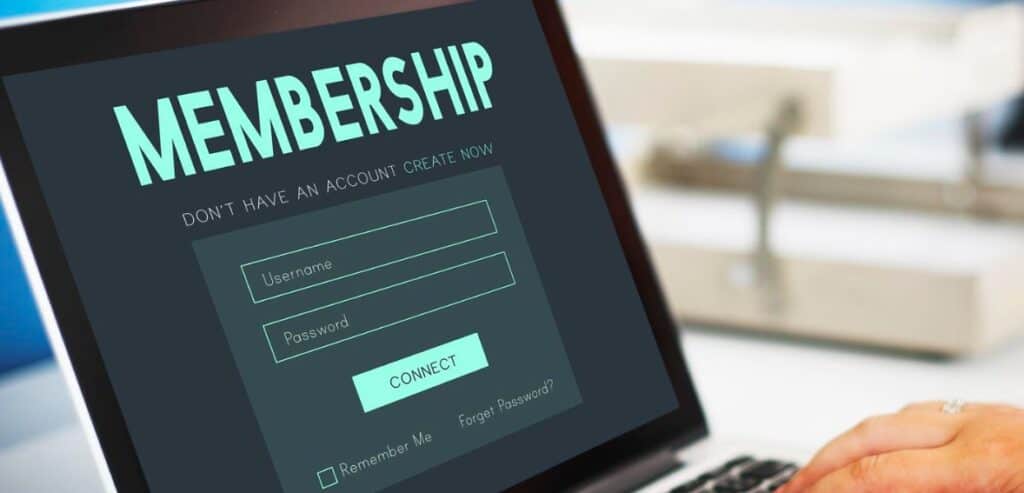
Although memberships generate steady income, manual invoicing procedures can lead to conflict. Recurring fees, renewals, and notifications are automated by integrated payment systems. This makes it unnecessary for employees to manually monitor payments or pursue past-due accounts. Consistent billing, digital receipts, and simple payment information changes are valued by members.
From the standpoint of the course, administrative effort decreases and cash flow stabilizes. Disputes, late payments, and revenue leakage are all decreased by automated membership billing. Flexible membership arrangements, such monthly plans or seasonal access, are also supported without adding to the complexity. Courses can increase their programs without adding more administrative staff due to the scalability of membership management.
Event and Tournament Revenue Efficiency
Entry fees, sponsorships, souvenirs, and catering are just a few of the many expenses associated with golf events and competitions. These streams are combined into a single workflow via integrated payment systems.
Organizers are able to easily reconcile income, monitor participation, and collect payments in advance. This lowers mistakes and guarantees openness for participants and staff alike. Digital receipts and automated billing make post-event bookkeeping easier. Reconciling event funds takes less hours when there are fewer manual processes.
More events can be held in courses without adding to the administrative load. Tournaments become more profitable and manageable when payments are handled efficiently, which encourages courses to confidently increase the number of events they offer.
Lowering Transaction and Processing Costs
Higher processing fees and unnecessary charges are frequently the outcome of using several payment suppliers. By consolidating volume, integrated payment solutions allow courses to bargain for lower prices. Additionally, centralized processing lowers the hidden expenses related to human adjustments, chargebacks, and unsuccessful payments.
Error rates decrease when transactions adhere to uniform guidelines. Courses are able to make more informed decisions about pricing and vendors by gaining a better understanding of actual payment expenses. Even modest processing cost reductions eventually result in large savings. Additionally, by streamlining compliance requirements, integrated systems lower the possibility of fines or security breaches.
Without compromising the golfer experience, lower transaction costs directly increase net revenue. Courses that unify transactions through modern golf payment processing gain better visibility into true processing costs, making it easier to control fees across tee times, pro shop sales, events, and food and beverage operations.
Real-Time Financial Visibility

Real-time access to revenue data across all operations is made possible with integrated payments. Reports no longer require managers to wait days or weeks. Tighter cost control and quicker decision-making are supported by immediate visibility. Courses are able to promptly identify problematic locations and modify staffing, price, or promotions as necessary.
Financial transparency promotes more precise budgeting and lessens surprises. Strategic planning is enhanced when leadership is aware of the precise locations of earnings and expenditures. Additionally, real-time insights reduce the need for routine examination from outside accountants. By enabling managers to take proactive rather than reactive action, financial clarity turns into an operational asset.
Reducing Errors and Chargebacks
Errors, disputes, and chargebacks are more likely when payments are handled manually. By standardizing transaction procedures, integrated systems reduce inconsistencies that could confuse customers. Transparency is increased by digital receipts, concise descriptions, and automated confirmations. When disagreements do arise, centralized records facilitate quicker and less expensive resolution.
Reputational risk is reduced and employees spend less time addressing payment-related concerns. Additionally, lower chargeback rates save related fees and safeguard processing connections. In terms of operations, fewer mistakes result in fewer disruptions and less stress for employees. Both clients and staff have a more seamless financial experience due to integrated payments.
Enhancing the Golfer Experience
Experience does not have to be sacrificed in order to cut costs. Golfers’ convenience is actually improved by integrated payment methods. A seamless experience is produced with quicker check-ins, mobile payments, and unified accounts. Golfers are happier when they don’t have to wait as long or deal with payment problems. Satisfied consumers spend more, stay longer, and come back more frequently.
By increasing loyalty, a better experience indirectly lowers marketing and acquisition expenses. Personalized offers based on past purchases are also supported by integrated systems, which raises perceived value. Customer happiness and operational effectiveness support one another, resulting in a positive feedback loop that helps control costs and increase revenue.
Supporting Mobile and Contactless Payments
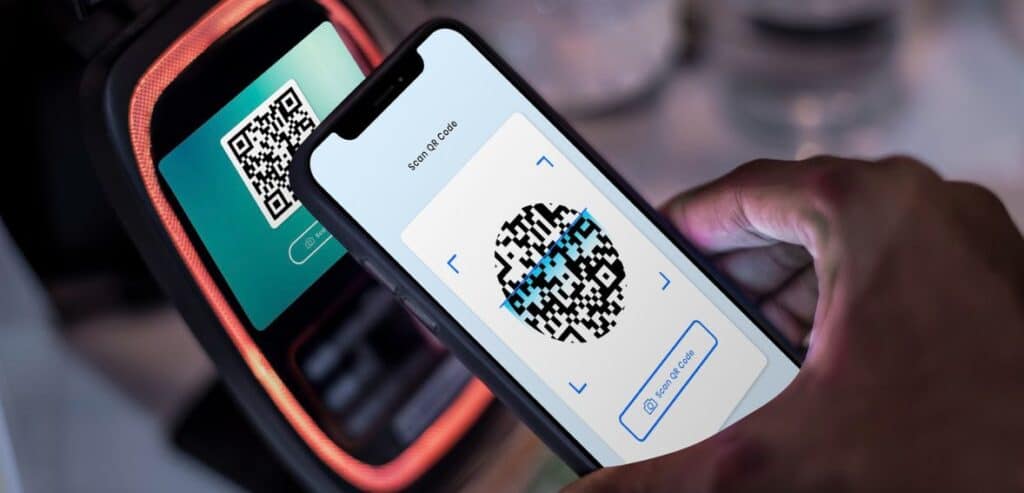
Golfers of today anticipate contactless and mobile payment methods. Wallets, internet payments, and touchless transactions are all supported by integrated payment systems with no further complexity. This expedites service throughout the property and lowers cash handling expenses. Reduced risk, less reconciliation work, and enhanced security result from fewer cash-related procedures.
Impulsive purchases in the clubhouse and pro shop are also supported by mobile payments. In terms of operations, employees manage transactions more effectively, which lowers lines and traffic. By accepting contemporary payment methods, the course subtly reduces operating costs while projecting a modern, guest-focused image.
Simplifying Accounting and Bookkeeping
Labor and outside fees are two ways that accounting complexity raises expenses. By automatically synchronizing transactions with accounting systems, integrated payment solutions minimize the need for human data entry. Instead of taking a lot of time, daily reconciliation is automated. Cleaner data is sent to accountants, which lowers errors and billable hours.
Financial audits become less complicated and disruptive. Simplified bookkeeping gives course managers more time for strategic planning as opposed to administrative cleanup. Over time, cost reduction is greatly aided by accounting efficiency. Additionally, clean financial data boosts investor and lender confidence, which supports upcoming expansion plans.
Data-Driven Cost Optimization
Patterns that manual systems frequently conceal are revealed by integrated payment data. Low-margin services, underutilized tee times, and ineffective staffing periods can all be identified by managers. Instead of making general savings, this knowledge encourages customized cost optimization.
Courses may fine-tune promotions, dynamically modify prices, and match labor schedules to real demand. Decisions based on data minimize waste while maintaining service quality. Cost management is transformed from guesswork to strategy using payment analytics. This accuracy increases margins over time without detracting from the golfer’s experience.
Vendor Consolidation and Reduced Complexity
Managing multiple vendors increases administrative overhead and risk. Integrated payment solutions consolidate vendors, reducing contract management, support coordination, and system maintenance. Fewer relationships mean fewer issues and faster resolution when problems arise.
Staff training becomes simpler, lowering onboarding costs. Vendor consolidation also strengthens negotiating power, improving pricing and service terms. Operational simplicity reduces hidden costs that accumulate over time. A streamlined vendor ecosystem supports stability and scalability.
Strategic Cost Control Through Integration

It is not necessary to take short cuts or compromise the golfer experience in order to lower operating costs. In reality, the best cost-control measures are those that enhance a course’s daily operations. By adding efficiency, visibility, and automation to formerly disjointed and manual processes, integrated payment solutions do this.
Duplication vanishes and uncertainty is replaced when tee times, pro shop purchases, food and beverage, memberships, and events are all handled by a single payment environment. Managers get real-time insight into where money is earned and where it leaks, labor hours spent reconciling transactions decrease, and errors decrease.
As a result of this integration, payments eventually become an active management tool rather than a passive expense. Golf courses that adopt integrated systems are not just saving money; they are building smarter, more resilient operations that can adapt, scale, and compete confidently in a demanding market.
Conclusion
For golf facilities looking to reduce operating expenses, integrated payment options offer a subtle but significant change. Courses reduce worker strain, limit errors, and obtain real-time performance visibility by automating regular financial activities and removing scattered systems.
Managers and employees can concentrate on what really matters—maintaining course quality, improving the visitor experience, and increasing sustainable revenue— due to these efficiencies. Integrated payments enable courses to function more effectively rather than responding to growing expenses with reductions or concessions.
Better decision-making, increased cash flow, and enhanced resistance to seasonal and economic stresses are some of the long-term advantages. Integration is more than just a technological advancement in a sector where margins are tight and demands are growing. It is a strategic foundation that helps golf courses protect profitability while delivering consistent, high-quality experiences to their members and guests.
FAQs
In what ways do integrated payment systems lower golf course expenses?
They cut down on labor hours spent on manual payment procedures, automate reconciliation, and get rid of redundant systems.
Are large or multi-course operations the only ones that benefit from integrated payments?
No, because integration streamlines operations without hiring more staff, smaller schools frequently experience a quicker impact.
Can integrated payments lower expenses and increase golfer satisfaction?
Yes. The guest experience is immediately enhanced by quicker check-ins, simpler payments, and more transparent billing.
Can seasonal cash flow issues be resolved with integrated payment solutions?
They accomplish this by facilitating memberships, prepayments, and real-time revenue trend visibility.
Is it disruptive to move to an integrated payment system?
Transitions are progressive and minimally disruptive when well executed, with long-term efficiency gains surpassing short-term adaptations.